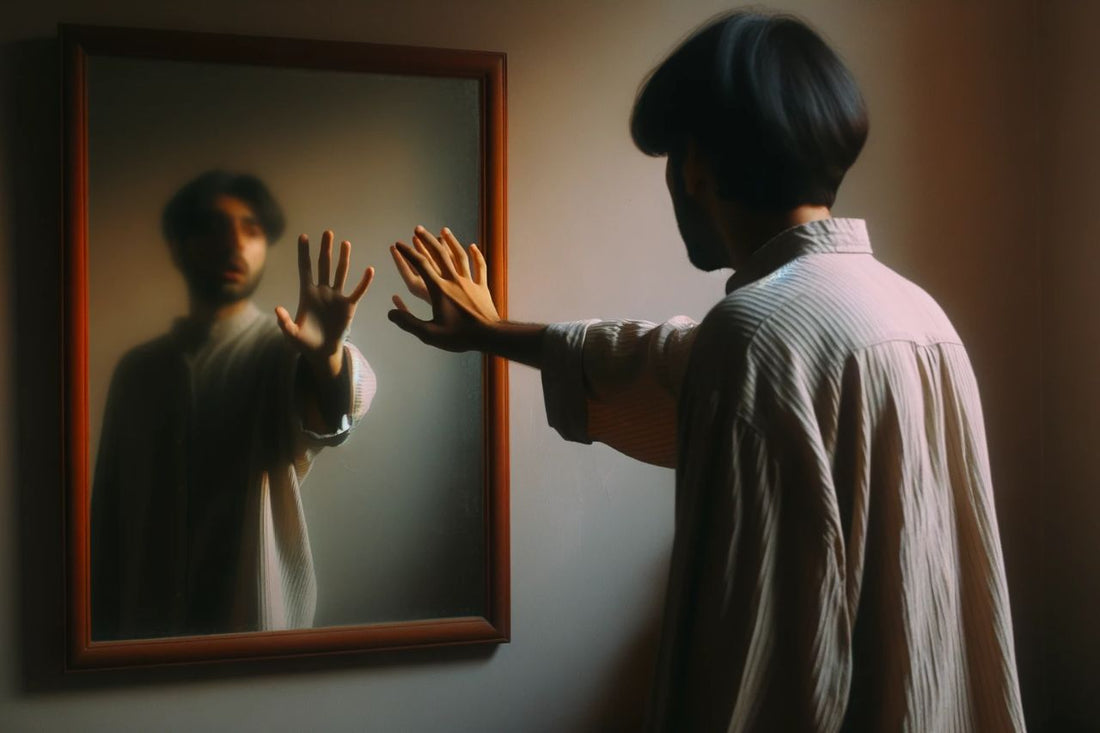
Understanding Depersonalisation and Derealisation
Depersonalisation and Derealisation, often abbreviated as DPDR, are clinical conditions characterised by a detached perception of one's surroundings and oneself. Patients frequently describe experiencing a surreal dizziness, feeling as though they're in a dreamlike state.
These symptoms can either manifest episodically or persistently. In severe cases, patients may find themselves unable to feel emotions due to the profound detachment they experience from their environment and their own self.
Cannabis and DPDR: The Connection
While DPDR can occur in individuals who have never consumed cannabis or any other drugs, a recurring narrative is that this surreal symptomatology first manifested during cannabis consumption and has since persisted. Some patients describe it as a lingering sensation of being "high" long after the actual intoxication has subsided.
Is Cannabis the Culprit?
It's crucial to understand that, similar to psychoses, cannabis is not the primary trigger. Cannabis cannot induce something in the psyche that wasn't already latently present and would have eventually surfaced. Just as a latent psychosis can be activated by cannabis, a latent DPDR can be triggered by cannabis consumption, especially when the THC content is high and the user's mood is negative.
About 2% of the population carry a latent DPDR, which can suddenly manifest due to various emotional influences, such as prolonged stress, traumatic experiences, or even cannabis consumption.
DPDR: A Brain's Protective Mechanism?
Current scientific understanding suggests that acute DPDR might be a protective mechanism of the brain, shielding it from emotional overwhelm. The challenge arises when this mechanism overreacts, leading to a prolonged disconnection between the external world and emotional experience.
Whether the triggering stimulus is a traumatic everyday situation or an anxiety-inducing drug influence is irrelevant; both can activate this protective function.
Prohibition and Its Consequences
Street cannabis, readily accessible due to bureaucratic challenges associated with prescribed medical cannabis, is particularly susceptible to inducing DPDR. Many cannabis strains today are overbred, containing high THC levels and negligible CBD, which can counteract some of THC's side effects.
A regulated market with quality controls could set a THC limit and guarantee a minimum CBD content, reducing excessive THC reactions. A higher susceptibility to DPDR exists during adolescence, a developmental phase for the brain. Full legalisation and strict regulation could prevent youth cannabis consumption more effectively than current measures.
Addressing DPDR: The Medical Approach
Conventional medicine doesn't yet have an approved medication specifically targeting DPDR symptoms. Occasionally, anxiety-relieving medications like SSRIs are prescribed, as DPDR often coexists with heightened anxiety or depression.
Treatment primarily focuses on behavioural therapeutic approaches, mainly cognitive behavioural therapy. The primary goal is to divert attention from the symptoms and refocus on other activities, gradually reconditioning the brain to shift its perception.
The Potential of CBD
There are indications that CBD might not only mitigate the short-term side effects of THC but also alleviate DPDR itself. CBD is known for its anti-psychotic and anti-anxiety properties. An increased anxiety perception is a central DPDR symptom amplifier.
Fear of the symptoms can create a vicious cycle, perpetuating them. While there's limited clinical research on CBD and DPDR, a 2011 study demonstrated that CBD reduced feelings of Depersonalisation and Derealisation.