



























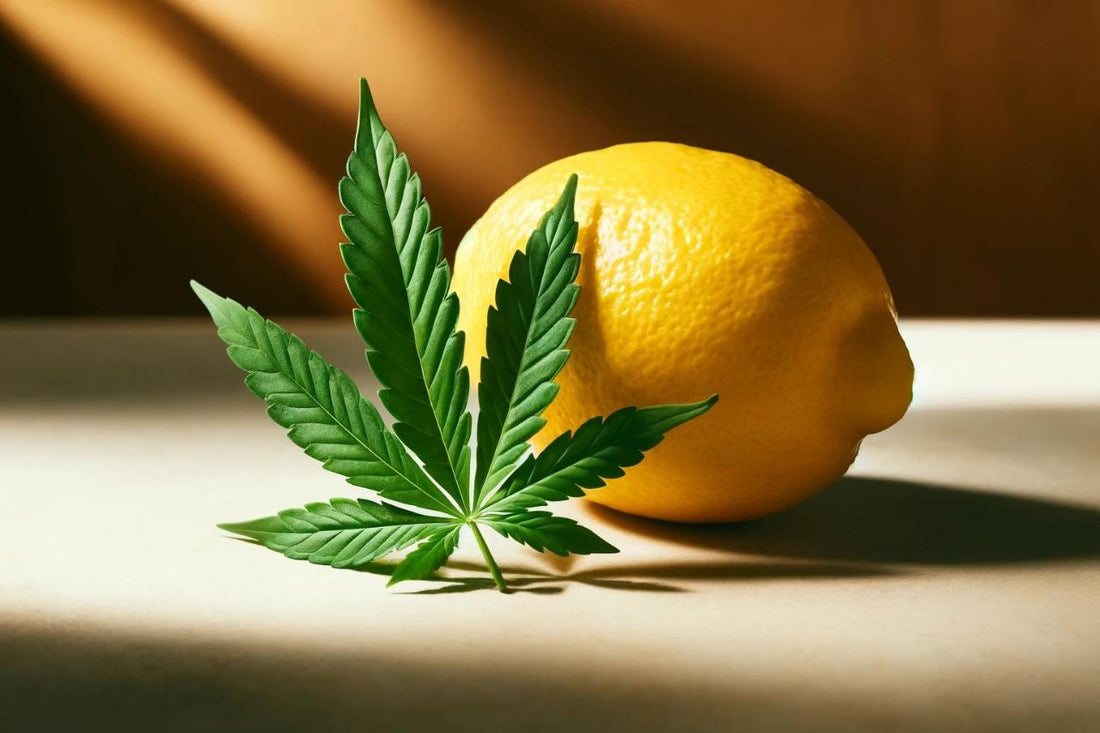
Exploring the Calming Effects of Limonene on THC
As someone deeply immersed in the nuances of cannabis research, I was intrigued by the recent findings on the interaction between THC and limonene, a terpene found in citrus fruits. These findings add to our understanding of how different compounds in cannabis may interact.
The Study's Insights
Conducted by researchers at Johns Hopkins University and published in 2024 in the journal Drug and Alcohol Dependence, this study examined whether D-limonene could reduce the anxiety that THC can cause. Twenty healthy adults who used cannabis occasionally completed a series of double-blind sessions in which they inhaled vaporised THC alone, D-limonene alone, the two together, or a placebo.
Ratings of anxiety-like effects tended to fall as the D-limonene dose increased, and when the higher THC dose was combined with the highest D-limonene dose, tested in 12 of the participants, they rated themselves as significantly less anxious, nervous and paranoid than after the same THC dose alone. D-limonene did not change THC's other measured effects, including those on cognitive performance and vital signs, or THC levels in the blood. The study was small, and Johns Hopkins University has filed a patent application on behalf of some of the researchers for using D-limonene to reduce THC-induced anxiety. Separately, a 2023 laboratory study reported that some cannabis terpenes can increase THC's activation of CB1 receptors in cells, a reminder that interactions between terpenes and THC are complex. The Johns Hopkins findings point to a possible way to improve the experience for some people by reducing one of THC's unwanted effects, but they do not show that cannabis can be used without side effects.
Why This Matters
Understanding the interplay between various compounds in cannabis opens the door to more personalised and comfortable experiences. For those who may have been deterred by anxiety or paranoia, this research is of interest, but it comes from a small, controlled study and does not show that any cannabis product or terpene combination reliably reduces these effects.
Additionally, it underscores the complexity and potential of cannabis as more than just a recreational substance but as a plant with intricate components whose interactions are still being studied.
Future Directions
This research is just the beginning. The researchers noted that future studies should test whether the effect extends to other ways of administering THC and examine how other terpenes and cannabinoids interact with THC. Whether such interactions could help reduce adverse effects in practice remains to be established.
Personal Insight
In reflecting on this study, I'm intrigued by what it may add to our understanding of cannabis. The possibility that natural terpenes like D-limonene can influence some effects of THC not only highlights the plant's versatility but could also, if confirmed in larger studies, lead to a more nuanced understanding of cannabis experiences.
As we continue to explore these interactions, the future of cannabis looks bright, marked by a deeper understanding and appreciation for its multifaceted nature.


