






















The Ultimate Fighting Championship's New Anti-Doping Policy
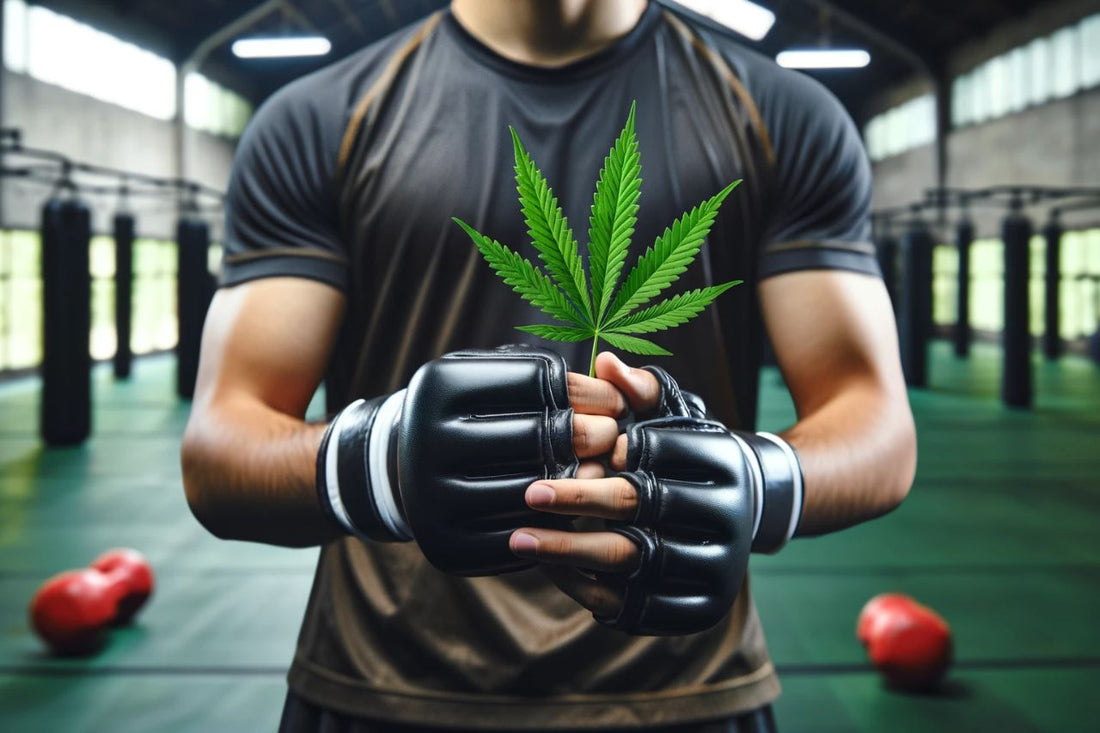
The Ultimate Fighting Championship (UFC) changed its cannabis rules in a new Anti-Doping Policy, effective from December 31, 2023. The UFC's decision to remove cannabis from its banned substances list is a reflection of this broader shift. The change applies to the UFC's own policy, however, and fighters may still be subject to other bodies' rules, such as those of state athletic commissions.
UFC's 2021 Decision: A Prelude to Change
The UFC's journey towards this policy began in January 2021, when the UFC and USADA amended the UFC Anti-Doping Policy, retroactively from January 1, 2021, so that a positive test for carboxy-THC, a THC metabolite, would no longer be considered a violation unless there was evidence of intentional use for performance enhancement.
UFC's Vision for a Progressive Anti-Doping Program
UFC Chief Business Officer Hunter Campbell has expressed pride in the advancements made in the policy over the past eight years. The UFC aims for its Anti-Doping Policy to be the most effective and progressive in all professional sports. This includes maintaining an independently administered drug-testing programme to ensure fair competition among all UFC athletes.
Changing Perspectives in Sports Towards Cannabis
The UFC's policy change is part of a larger trend in the sports world regarding cannabis, THC, and CBD. Other major sports leagues, like the NFL and NBA, have also reformed their cannabis policies, reflecting a more nuanced understanding of cannabis use among athletes.
NFL and NBA: Leading the Way in Cannabis Policy Reform
The National Football League (NFL) has significantly altered its cannabis testing procedures under its 2020 collective bargaining agreement, limiting THC testing to the first two weeks of training camp, raising the threshold for a positive THC test and eliminating suspensions for positive marijuana tests. Similarly, the National Basketball Association (NBA) removed cannabis from its list of banned substances in its 2023 collective bargaining agreement and allowed players to invest in cannabis companies under specific conditions, such as holding only a passive, non-controlling interest in companies making products with higher THC concentrations. Players can still be disciplined for being under the influence during league activities.
World Anti-Doping Agency's Stance on Cannabis
Despite these changes in major sports leagues, the World Anti-Doping Agency, at the time of writing, continued to prohibit natural and synthetic cannabinoids in competition, while cannabidiol (CBD) had been exempt since 2018. According to USADA, WADA's expert committee found that cannabinoids meet two of its three criteria for inclusion, health risk to athletes and violation of the spirit of sport, while evidence of performance enhancement was limited. This stance has been met with backlash, as seen in the case of U.S. sprinter Sha’Carri Richardson, who accepted a one-month suspension in 2021 after a positive test for a cannabis metabolite at the U.S. Olympic Team Trials, which disqualified her Olympic qualifying results before the Tokyo 2020 Games.
The Role of Cannabis in Athlete Health and Performance
Reform in cannabis policy is often viewed as a progressive approach in sports, reflecting interest in whether cannabis could help athletes manage injury-related pain. Some former professional athletes, including former NFL players, have spoken publicly in favour of cannabis for managing chronic pain from injuries sustained during their careers. However, a 2018 review in the Clinical Journal of Sport Medicine described the evidence for cannabis in chronic pain management as limited but promising, so research does not yet establish that cannabis is effective for athletic injuries.
Surveys on Attitudes to Cannabis Use in Sports
Recent surveys have reported generally positive attitudes towards cannabinoids in sport. In a 2020 survey of 517 professional rugby players, 26% had used CBD, mainly for recovery or pain and for sleep, and most of them reported a perceived benefit, although such self-reports do not show that CBD aids recovery. A 2023 survey of 333 sports medicine physicians found generally favourable attitudes towards CBD and cannabis that varied by age, practice type and gender, with male and younger physicians less likely to regard cannabis as performance-enhancing.
Research on Cannabis and Repeated Head Impacts
A 2023 study of 43 adult soccer players compared players who had used cannabis at least once a week for the previous six months with non-users after 20 controlled soccer headings. The cannabis group showed smaller short-term impairments in eye-movement function and no rise in the blood marker S100B, while there was no group difference in another marker, neurofilament light. The researchers suggested that chronic cannabis use may be associated with greater resilience after heading, but the study was small, observational and short-term, and it does not show that cannabis prevents long-term brain damage in contact sports.
