


























What is CBD Oil?

Based on my experience and expertise in producing CBD oil in Switzerland since 2013, I’ve written an article that explains what CBD oil is, its origin, and its chemical composition.
I also cover the different extraction methods, highlighting what makes a high-quality oil, and provide a brief comparison between CBD and THC to clarify their differences.
Throughout the article, you’ll find links to additional articles on our website that explore each of these topics in greater detail, offering a comprehensive understanding of CBD oil and its benefits.
Key takeaways
- CBD oil is derived from the hemp plant and is non-psychoactive, meaning it doesn't cause a "high." CBD interacts with the endocannabinoid system, which helps regulate body functions.
- CBD oil is widely used in topical applications like creams, balms, and lotions.
- The extraction method is one factor in CBD oil quality. CO2 extraction uses pressurised carbon dioxide, while documented process controls and analysis are needed to assess the resulting product.
- For what CBD does in the body and what the research shows, see What does CBD oil do?
Understanding CBD oil and its origins
Cannabidiol, commonly known as CBD, is a naturally occurring compound found in the Cannabis sativa plant, which includes both hemp and marijuana. However, CBD is predominantly sourced from hemp, a variety of cannabis that contains lower levels of THC. This makes hemp an ideal source for CBD extraction, allowing for the production of products valued for their versatility and non-intoxicating effects.
The use of Swiss hemp for CBD extraction is particularly valued due to its high concentration of cannabidiol and minimal THC content.
The chemical composition of CBD
CBD is one of over 100 cannabinoids in the cannabis plant. It has 21 carbon, 30 hydrogen, and 2 oxygen atoms (C21H30O2). Unlike THC (tetrahydrocannabinol), CBD doesn't make people feel high.
This interaction with other compounds in the plant, like terpenes and flavonoids, contributes to what is known as the "entourage effect." This effect enhances CBD’s impact, making full-spectrum or broad-spectrum products popular choices due to their range of cannabinoids and compounds.

Difference between CBD and THC
CBD and THC are both cannabinoids, but they interact with the body differently. THC is known for its psychoactive effects, which create a 'high' sensation.
In contrast, CBD does not produce this effect and is often noted for its ability to interact with the body’s systems without causing the psychoactive experience associated with THC.
What is the difference between CBD and THC?
The three main types of CBD oil
CBD oil is made by first extracting CBD from the hemp plant. Once extracted, the CBD is mixed with carrier oils like olive oil, MCT oil, or hemp seed oil to achieve the desired concentration. These carrier oils not only help dilute the CBD to a specific strength but also enhance absorption in the body.
There are three main types of CBD oil available, each with its unique characteristics and applications:
Full-spectrum CBD oil
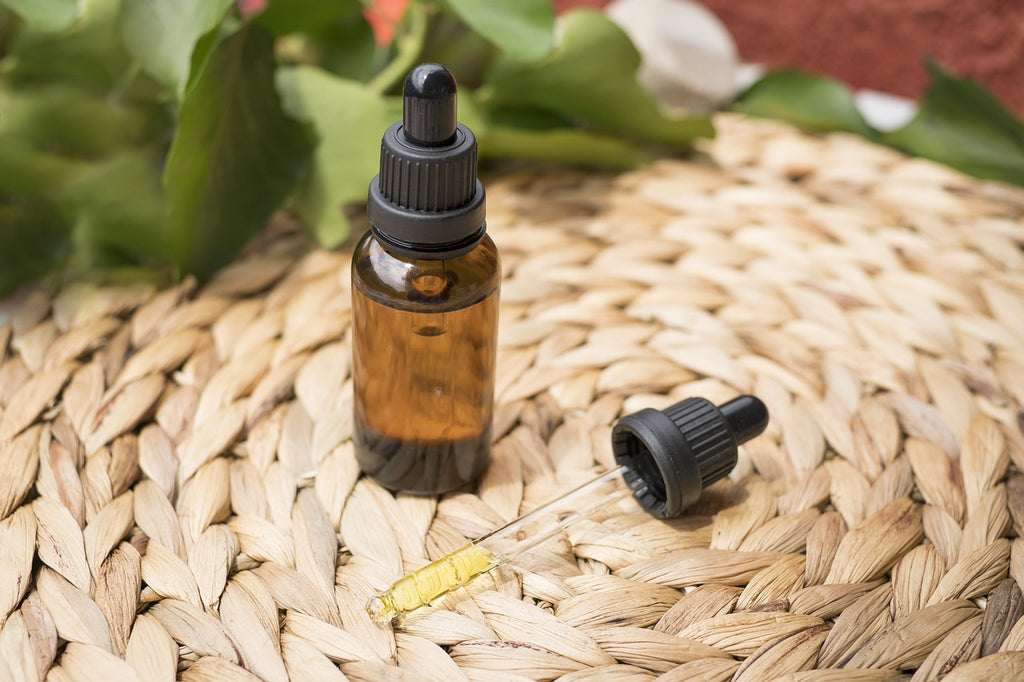
This type contains all the cannabinoids and other compounds found in the hemp plant, including trace amounts of THC. Full-spectrum CBD oil is believed to provide the most benefits due to the "entourage effect," where the various compounds work together synergistically.
The full-spectrum CBD oils have less than 0.2% THC and are darker than broad-spectrum CBD oils. Based on our experience, this is the best choice for most customers.
Broad-spectrum CBD oil
Broad-spectrum CBD oil is similar to full-spectrum, but it contains no THC. This type is ideal for individuals who want to experience the entourage effect without any THC.
We offer a wide selection of broad-spectrum CBD oils.
CBD isolate oil
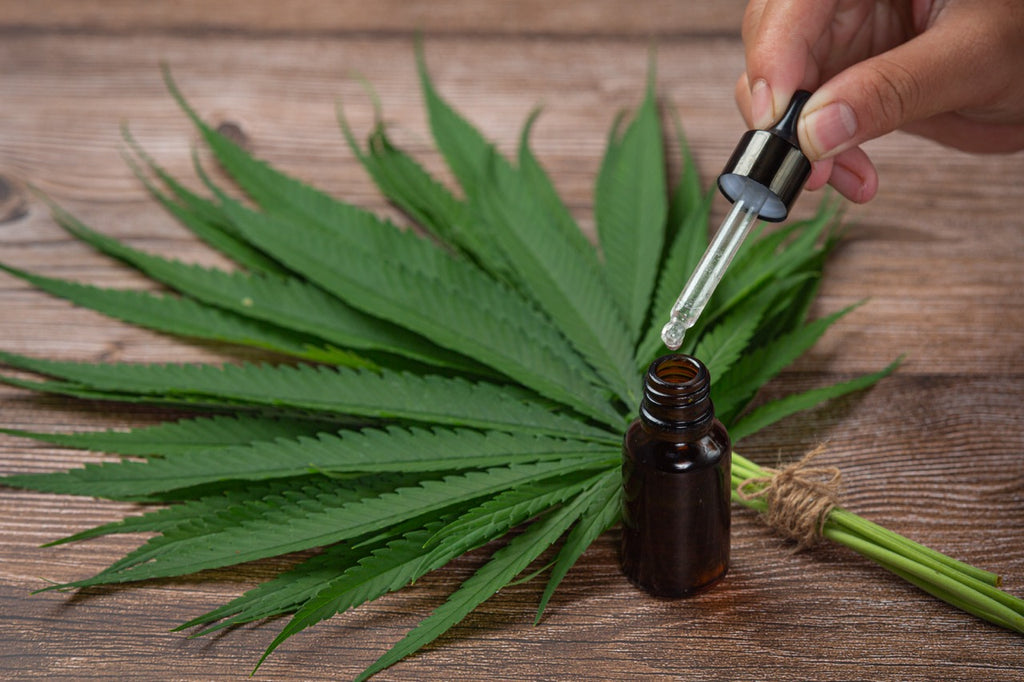
This type contains only pure CBD, with all other compounds removed. It is the most refined form of CBD oil and is best suited for those who require a product with no THC or other cannabinoids.
The oil is usually completely transparent, especially if offered diluted with MCT oil.
We don't offer CBD isolate oils, because we don't believe they add much value to our customers due to the inferior product quality.
Which concentration of CBD oil should I choose?
Frequently asked questions
What is CBD oil?
CBD oil comes from the Cannabis sativa plant, which includes hemp and marijuana. It has cannabidiol (CBD), a compound that doesn't make you feel high.
How is CBD oil extracted?
CBD-containing extracts can be produced using methods such as CO2, solvent or oil extraction. CO2 extraction uses pressurised carbon dioxide. The extraction method alone does not establish the absence of harmful residues or contaminants; quality must also be assessed through process controls and product testing. See the FDA discussion of CBD processing controls and product quality.
Will CBD oil get me high?
No, CBD oil does not produce a "high." This effect is primarily associated with THC (tetrahydrocannabinol), another cannabinoid found in cannabis.
What is the recommended dosage of CBD oil?
Dosage varies per person. It's best to start with a low dose and adjust as needed, following product instructions.